




























Secret Jardin
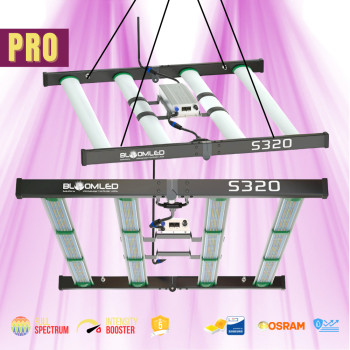
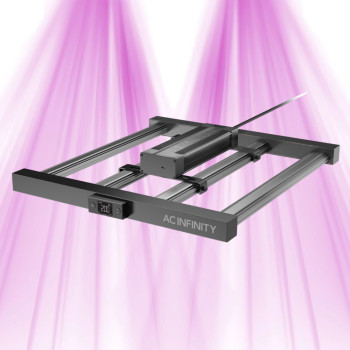
Cosmorrow 360W-Kits für die Blüte
In 4 Modellen erhältlich
Auf Lager · Versand innerhalb von 24 Std.
659,99 € oder 3× 220,00 €

Artikel wurde in den Korb gelegt
Ça pousse dans le bon sens

19 Produkte
300W LEDs sind der Sweet Spot für viele Indoor-Gärtner. Mit dieser Leistung deckst du je nach Modell eine Fläche von 80x80 bis 100x100 cm effizient ab, während der Stromverbrauch moderat bleibt. Dies ist das Format, das bei Gärtnern, die ernsthaft anbauen wollen, ohne ihre Stromrechnung zu sprengen, immer beliebter wird.
Im Gegensatz zu den alten 400W HPS-Lampen, die wie Heizkörper heizten, erzeugt eine moderne 300W LED deutlich weniger Wärme und bietet gleichzeitig ein optimiertes Vollspektrum. Wir sprechen von einer photosynthetischen Effizienz, die bei den besten Modellen mit Samsung- oder Osram-Chips bis zu 2,7 µmol/J erreichen kann.
Ehrlich gesagt, passt das 300W LED-Format zu den meisten Heimanlagen. Du kannst 4 bis 6 Pflanzen in 11L-Töpfen in einem 80x80-Zelt anbauen oder sogar bis zu 9 Pflanzen im SOG in kleineren Töpfen. Vielseitigkeit ist das, worauf es ankommt.
Der Verbrauch liegt bei etwa 300W real an der Steckdose (manchmal weniger bei effizienten Modellen), also etwa 7,2 kWh pro Tag bei 24 Stunden Betrieb. Vergleiche das mit einer 400W HPS, die mit Vorschaltgerät 450W real verbraucht... Die Rechnung ist schnell gemacht. Und wir haben noch nicht einmal über die eingesparte Klimaanlage im Sommer gesprochen.
Das moderne Vollspektrum integriert UV-A (365-400nm) und nahes Infrarot (730nm), die die Terpenproduktion und die Dichte der Blüten wirklich ankurbeln. Die alten violetten Blurples sind passé. Jetzt haben wir echtes weißes Licht mit Spitzen im Tiefrot (660nm) und Blau (450nm).
Erstes Kriterium: die verwendeten LED-Chips. Samsung LM301B, LM301H oder Osram sind High-End-Chips, die lange halten. Vermeide No-Name-Chips aus China, die in 6 Monaten 30% ihrer Intensität verlieren. Eine gute 300W LED mit Samsung-Chips behält nach 50.000 Stunden noch 90% ihrer Leistung.
Zweiter entscheidender Punkt: der Treiber. Meanwell ist die Referenz. Ein Meanwell HLG- oder ELG-Treiber garantiert eine stabile Stromversorgung und Schutz vor Überspannungen. Das ist nicht der Zeitpunkt, um an dieser Komponente zu sparen.
Für die Abdeckungsfläche rechne mit 300W für 0,8 bis 1m² bei intensiver Blüte. Wenn du nur Wachstum betreiben möchtest, kannst du bis zu 1,2m² gehen. Und überprüfe den PPFD: Für eine gute Blüte sind mindestens 800 µmol/m²/s in der Mitte erforderlich, idealerweise 1000-1200 µmol/m²/s.
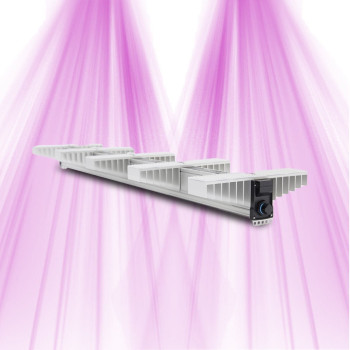
Letzter Punkt: die Wärmeableitung. LED-Balken mit Aluminiumkühlkörper sind effizienter als kompakte Panels. Du gewinnst an Langlebigkeit und Leistung. Und wenn sie dimmbar ist, ist es noch besser, um die Intensität an das Wachstumsstadium anzupassen.
In einem 80x80 Zelt kannst du 4 Pflanzen in 11L-Töpfen für SCROG anbauen oder bis zu 9 Pflanzen im SOG mit 6L-Töpfen. Alles hängt von deiner Anbaumethode ab. Mit LST und 4 Pflanzen optimierst du den Platz und die Lichtdurchdringung. Im SOG mit 9 Pflanzen verkürzt du die Wachstumszeit, musst aber mehr Pflanzen verwalten. Die 300W LED deckt diese Fläche perfekt mit einem homogenen PPFD zwischen 800 und 1200 µmol/m²/s je nach Abstand ab.
Beginne in der Wachstumsphase bei 60-70 cm und nähere dich in der Blütephase schrittweise auf 40-50 cm. Bei modernen LEDs ist das Risiko thermischer Verbrennungen gering, aber achte auf Lichtverbrennungen: die oberen Blätter vergilben und kräuseln sich. Wenn das passiert, erhöhe den Abstand um 10 cm. Sativa-Sorten vertragen im Allgemeinen mehr Intensität als Indica. Verwende ein Luxmeter oder eine Smartphone-App zur Messung: 30.000 bis 50.000 Lux im Wachstum, 50.000 bis 80.000 Lux in der Blüte.
Absolut, die 300W Full-Spektrum-LEDs decken den gesamten Zyklus perfekt ab. Das blaue Spektrum (400-500nm) stimuliert das vegetative Wachstum und die Blattbildung, während das rote (620-700nm) die Blüte auslöst und die Harzproduktion ankurbelt. Neuere Modelle integrieren sogar UV-A (365-400nm), das die Terpenproduktion erhöht, und Infrarot (730nm), das die Lichtdurchdringung verbessert. Du kannst mit einer einzigen Lampe vom Samen bis zur Ernte anbauen, im Gegensatz zu den alten MH/HPS, bei denen du die Glühbirne wechseln musstest.
Achte auf die Energieeffizienz, ausgedrückt in µmol/J: Eine einfache LED liegt bei etwa 2,0-2,2 µmol/J, während eine Samsung LM301H 2,7-3,0 µmol/J erreicht. Konkret produzierst du 30% mehr Photonen bei gleichem Verbrauch. Samsung-Chips haben auch eine bessere Farbkonstanz: Das Spektrum driftet mit dem Alter nicht ab. Was die Lebensdauer angeht, rechne mit 100.000 Stunden für Samsung im Vergleich zu 50.000 Stunden für generische Produkte. Über 5 Jahre Nutzung gleicht die Stromeinsparung die anfänglichen Mehrkosten bei weitem aus.
Eine hochwertige 300W LED mit Samsung- oder Osram-Chips hält problemlos 80.000 bis 100.000 Stunden, also 10-12 Jahre bei 12 Stunden/Tag Nutzung. Um die Langlebigkeit zu maximieren, sorge für eine gute Belüftung: Die Temperatur des Kühlkörpers sollte 60°C nicht überschreiten. Reinige die Kühlkörper alle 3 Monate mit einem trockenen Pinsel, um Staubansammlungen zu vermeiden, die die Kühlung beeinträchtigen. Vermeide wiederholte Ein-/Ausschaltzyklen, die die Treiber belasten. Wenn deine LED dimmbar ist, beginne immer mit geringer Intensität und erhöhe sie schrittweise. Eine gute Wartung kann die Lebensdauer leicht um 20.000 Stunden verlängern.
In 4 Modellen erhältlich
In 7 Modellen erhältlich
In 7 Modellen erhältlich
In 3 Modellen erhältlich
In 17 Modellen erhältlich
In 17 Modellen erhältlich
In 4 Modellen erhältlich
In 3 Modellen erhältlich
In 3 Modellen erhältlich
In 5 Modellen erhältlich
In 17 Modellen erhältlich
Hilfe & Beratung
Zu 300W — klicken Sie auf eine Frage, um die Antwort zu sehen.
Der Unterschied ist enorm, und deshalb sind 300W LEDs so beliebt! In der Praxis kann eine 300W LED eine 400W HPS übertreffen, was den nutzbaren Lichtstrom für Pflanzen angeht, und dabei weniger Energie verbrauchen. LEDs erzeugen viel weniger Wärme, was die Klimaregelung deines Anbauraums vereinfacht und das Risiko von Hitzestress für deine Pflanzen reduziert. Darüber hinaus bieten LEDs ein präziseres und oft einstellbares Lichtspektrum, was bei HPS nicht der Fall ist. Ich lade dich ein, diesen Artikel zu lesen, der den Übergang von HPS zu LEDs behandelt.
Im Allgemeinen ist eine 300W LED ideal, um eine Fläche von 80x80 cm bis 100x100 cm abzudecken. Dies hängt natürlich vom spezifischen Modell der Lampe, ihrer Optik und ihrer Effizienz ab. Für eine optimale Abdeckung empfehle ich dir, immer die Empfehlungen des Herstellers zu überprüfen. Was ich oft sehe, ist, dass es für größere Flächen manchmal besser ist, zwei LEDs mit geringerer Leistung oder eine einzelne LED mit höherer Leistung zu verwenden, um eine homogenere Lichtverteilung zu erzielen.
Der Installationsabstand einer 300W LED ist entscheidend und hängt von der tatsächlichen Leistung deiner Lampe, ihrer Optik und dem Entwicklungsstadium deiner Pflanzen ab. Im Allgemeinen empfehle ich, mit einem Abstand von 40 bis 60 cm während des Wachstums zu beginnen und ihn während der Blüte auf 30 bis 45 cm anzupassen. Es ist wichtig, deine Pflanzen genau zu beobachten, um Anzeichen von Lichtstress (gelbe oder gekräuselte Blätter) zu erkennen und die Höhe entsprechend anzupassen. Zögere nicht, das technische Datenblatt deines Modells zu konsultieren, wie den Vergleich zwischen der Calitek Quantum Bears 340W und der Lumatek ATS 300W Pro, für spezifische Empfehlungen.
Ja, absolut! Die meisten modernen 300W LEDs sind mit einem Vollspektrum ausgestattet, was sie perfekt für alle Phasen des Anbaus macht, von der Keimung bis zur Blüte. Einige Modelle bieten sogar die Möglichkeit, das Spektrum zu modulieren, um das Licht für das vegetative Wachstum (mehr Blau) oder für die Blüte (mehr Rot) zu optimieren. Wenn ich wählen müsste, würde ich immer ein Modell mit Vollspektrum bevorzugen, wegen seiner Vielseitigkeit und seiner Fähigkeit, das Potenzial deiner Pflanzen in jeder Phase zu maximieren.
Ein häufiger Fehler ist, die Lampe zu nah an den Pflanzen zu platzieren, in der Annahme, die Intensität zu erhöhen, was zu Bleichen oder Verbrennungen führen kann. Ich rate immer, höher zu beginnen und schrittweise anzupassen. Ein weiterer Fehler ist die Vernachlässigung der Belüftung. Auch wenn LEDs weniger Wärme erzeugen als HPS, ist eine gute Luftzirkulation für die Gesundheit der Pflanzen und zur Vermeidung von Feuchtigkeitsansammlungen unerlässlich. Unterschätze schließlich nicht die Bedeutung eines guten Lichtzyklus; LEDs ermöglichen eine hohe Präzision, also nutze sie weise, um Wachstum und Blüte zu optimieren.
Ihre Antwort nicht gefunden? 01 88 33 45 52 oder per Nachricht.

Umtausch innerhalb
von 14 Tagen

Kostenloser Versand
ab 100€*

Lieferung
in 24 bis 48 Stunden

Sichere
Zahlung

Zahlungserleichterung

Bestpreisgarantie

GrowLED
Garantie

Treuepunkte