






























The Pure Factory
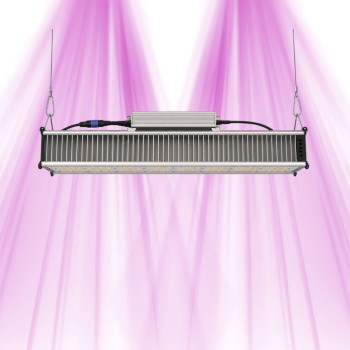
Pure LED Pro V2.0 520W – Hochwertiges LED-Panel für den Innenanbau
Auf Lager · Versand innerhalb von 24 Std.
799,20 € 999,00 € oder 3× 266,40 €

Artikel wurde in den Korb gelegt
Ça pousse dans le bon sens

6 Produkte
500W LEDs sind der Sweet Spot für viele Indoor-Gärtner. Diese Leistung bietet einen hervorragenden Kompromiss zwischen Lichtleistung und Stromverbrauch, perfekt um Anbauflächen von 100x100 bis 120x120 cm effizient abzudecken. Im Gegensatz zu alten 600W HPS-Lampen, die wie Heizkörper heizen, liefern diese modernen LED-Panels ein volles Spektrum und halten gleichzeitig Ihre Temperaturen unter Kontrolle.
Ehrlich gesagt, ist dies die Leistung, die alles verändert, wenn man auf die nächste Stufe aufsteigen möchte, ohne die Stromrechnung explodieren zu lassen. Eine moderne 500W LED verbraucht je nach Modell tatsächlich zwischen 450 und 520 Watt, liefert aber die Lichtleistung einer 600-750W HPS. Das Vollspektrum deckt die Bedürfnisse Ihrer Pflanzen von der Keimung bis zur Ernte perfekt ab, mit Spitzen in den entscheidenden Wellenlängen: 440-460nm für das vegetative Wachstum und 660-665nm zur Auslösung der Blüte.
Der thermische Vorteil ist enorm: Wo eine 600W HPS Ihren Raum in eine Sauna verwandelt, bleibt eine 500W LED kühl. Das Ergebnis? Weniger Belüftung erforderlich, Einsparungen bei der Klimatisierung und vor allem Pflanzen, die nicht unter Hitzestress leiden. Die Lebensdauer übersteigt leicht 50.000 Stunden, was bei 12 Stunden Betrieb pro Tag mehr als 5 Jahre entspricht.
Erstes Kriterium: die Lichteffizienz, ausgedrückt in µmol/J. Streben Sie mindestens 2,5 µmol/J an, um zur Spitzenklasse zu gehören. Die besten Panels erreichen 2,8-3,0 µmol/J. Zweiter entscheidender Punkt: die Verteilung der Dioden. Bevorzugen Sie Panels mit einer gleichmäßigen Verteilung anstelle eines großen zentralen Clusters, der helle Hotspots erzeugt.
Für die Abdeckungsfläche rechnen Sie mit mindestens 100x100 cm und maximal 120x120 cm, je nach gewünschter Intensität. Im Wachstum können Sie bis zu 130x130 cm gehen, aber für die Blüte bleiben Sie bei 120x120 cm, um mindestens 600-800 µmol/m²/s auf Höhe der Pflanzenkrone zu halten. Überprüfen Sie auch das Vorhandensein eines Dimmers: Dies ist unerlässlich, um die Intensität je nach Anbauphase anzupassen.
Im Wachstum halten Sie 60-80 cm Abstand zwischen dem Panel und der Pflanzenkrone, um Lichtstress zu vermeiden und eine gute Penetration zu gewährleisten. In der Blüte können Sie auf 40-50 cm heruntergehen, wenn Ihre Pflanzen dies gut vertragen – achten Sie auf Anzeichen von Bleichen der oberen Blätter. Mit einem Dimmer beginnen Sie bei 70 cm und passen Sie den Abstand schrittweise entsprechend der Reaktion Ihrer Pflanzen an. Ein Luxmeter oder PAR-Sensor hilft Ihnen, 400-600 µmol/m²/s im Wachstum und 800-1000 µmol/m²/s in der Blüte anzustreben.
Beginnen Sie Ihre Sämlinge und Stecklinge mit 20-30% Leistung, um ein Verbrennen zu vermeiden. Im vegetativen Wachstum erhöhen Sie die Leistung schrittweise auf 60-70%, je nach Reaktion der Pflanzen. Für die Blüte erhöhen Sie die Leistung auf 80-100%, um die Produktion zu maximieren. Der Trick: Erhöhen Sie die Intensität in Schritten von 10% alle 3-4 Tage und beobachten Sie die neuen Triebe. Wenn die Internodien zu eng werden oder die Blätter vergilben, gehen Sie zu stark vor.
Ja, das ist sogar die optimale Fläche für diese Art von Panel. Sie erhalten eine homogene Abdeckung mit etwa 35-40 Watt pro Quadratfuß, was den professionellen Standards entspricht. Für ein 120x120 Zelt hängen Sie das Panel mittig auf und stellen Sie sicher, dass die Lichtintensität über die gesamte Fläche gleichmäßig bleibt – die Ecken sollten nicht weniger als 70% der zentralen Intensität erhalten. Ist dies der Fall, passen Sie die Höhe an oder erwägen Sie die Hinzufügung von Seitenreflektoren.
Rechnen Sie mit 50.000 bis 70.000 Stunden für ein Qualitätspanel, das sind 5-7 Jahre bei 12 Stunden täglichem Gebrauch. Die Wartung beschränkt sich auf das Entstauben der Dioden alle 2-3 Monate mit einem trockenen Pinsel oder Druckluft – Staub reduziert die Lichteffizienz. Überprüfen Sie regelmäßig, ob die integrierten Lüfter frei drehen und die Kühlkörper nicht verstopft sind. Vermeiden Sie unbedingt Wasser oder Chemikalien auf den elektronischen Komponenten.
Eine hochwertige 500W LED übertrifft eine 600W HPS in der photosynthetischen Effizienz dank ihres optimierten Spektrums und ihrer besseren Lichtverteilung bei weitem. Gegenüber einer 1000W HPS ist es nuancierter: Die HPS hat mehr Rohleistung, aber die LED gleicht dies durch ihr gezieltes Spektrum und das Fehlen übermäßiger Hitze, die die Pflanzen stresst, aus. In der Praxis erreicht oder übertrifft eine gute 500W LED eine 750W HPS in der Endausbeute, während sie 30% weniger Strom verbraucht und viel weniger Wärme abführt.
Hilfe & Beratung
Zu 500W — klicken Sie auf eine Frage, um die Antwort zu sehen.
Für eine 500W LED empfehle ich im Allgemeinen eine Anbaufläche von 100x100 cm bis 120x120 cm. Das ist der Sweet Spot, wo Sie eine hervorragende Lichtdurchdringung und homogene Abdeckung erhalten, ohne Energie zu verschwenden. Wenn Ihr Raum kleiner ist, riskieren Sie einen Lichtüberschuss, und wenn er größer ist, einen Mangel.
Der Unterschied ist erheblich! Eine moderne 500W LED bietet eine viel höhere Lichtausbeute bei gleichem oder sogar geringerem Stromverbrauch als eine 600W HPS. Vor allem erzeugen LEDs viel weniger Wärme, was die Temperaturregelung in Ihrem Anbauraum erheblich vereinfacht. Ich sehe oft, dass Züchter von HPS auf LED umsteigen und von der reduzierten Wärme begeistert sind. Übrigens, falls Sie noch HPS-Lampen haben, sollten Sie wissen, dass wir alte HPS-Vorschaltgeräte ankaufen.
Absolut! Für eine Fläche von 100x100 cm ist eine 500W LED nicht nur ausreichend, sondern sogar eine ideale Option. Sie erhalten eine hervorragende Lichtintensität und eine homogene Verteilung, die ein optimales Wachstum und eine optimale Blüte Ihrer Pflanzen gewährleistet. Dies ist eine Konfiguration, die ich häufig empfehle.
Der ideale Abstand variiert je nach Wachstumsphase und der tatsächlichen Leistung Ihrer Lampe. Im Allgemeinen empfehle ich für eine 500W LED, während des Wachstums mit etwa 40-60 cm zu beginnen und während der Blüte auf 30-45 cm zu reduzieren. Es ist entscheidend, Ihre Pflanzen zu beobachten: Wenn die Blätter gelb werden oder sich kräuseln, ist das Licht zu intensiv, und wenn sie sich strecken, ist es zu schwach.
Das hängt von der Lebensphase Ihrer Pflanzen ab. Für das vegetative Wachstum empfehle ich im Allgemeinen einen Zyklus von 18 Stunden Licht und 6 Stunden Dunkelheit. Während der Blüte sollte auf einen Zyklus von 12 Stunden Licht und 12 Stunden Dunkelheit umgestellt werden, um die Blütenproduktion anzuregen. Diese Zyklen sind für die richtige Entwicklung Ihrer Kulturen unerlässlich.
Ja, das ist einer der Hauptvorteile von LEDs! Eine 500W LED erzeugt deutlich weniger Wärme als eine HPS mit gleicher oder höherer Leistung. Dies führt zu einer einfacheren Klimaregelung, geringeren Lüftungskosten und einer stabileren Umgebung für Ihre Pflanzen. Dies ist ein Punkt, den ich immer hervorhebe.
Für eine 500W LED empfehle ich Ihnen dringend, sich für ein Vollspektrum (full spectrum) zu entscheiden. Diese Spektren enthalten alle notwendigen Wellenlängen, von Blau für das vegetative Wachstum bis zu Tiefrot für die Blüte, und bei einigen Modellen sogar IR und UV. Dies ist die vielseitigste und effektivste Lösung für alle Entwicklungsphasen Ihrer Pflanzen.
Der Preis einer guten 500W LED-Lampe kann erheblich variieren, aber ich würde sagen, dass man für ein professionelles und langlebiges Modell zwischen 500€ und 1000€ rechnen muss. Teurere Modelle bieten oft bessere LED-Chips, eine bessere Wärmeableitung und erweiterte Funktionen wie Dimmung oder intelligente Steuerung. Dies ist eine Investition, die sich langfristig durch Energieeinsparungen und höhere Erträge auszahlt.
Ihre Antwort nicht gefunden? 01 88 33 45 52 oder per Nachricht.

Umtausch innerhalb
von 14 Tagen

Kostenloser Versand
ab 100€*

Lieferung
in 24 bis 48 Stunden

Sichere
Zahlung

Zahlungserleichterung

Bestpreisgarantie

GrowLED
Garantie

Treuepunkte