Zubehör und Werkzeuge für Grünpflanzen: Die komplette Ausrüstung
Das Zubehör und die Werkzeuge für Grünpflanzen umfassen die gesamte Ausrüstung, die notwendig ist, um eine optimale Wachstumsumgebung in Innenräumen zu schaffen. Anzuchttöpfe, passende Substrate, LED-Beleuchtungssysteme, Rankhilfen und Stützen: Jedes Element spielt eine entscheidende Rolle bei der Entwicklung Ihrer Pflanzen. Egal, ob Sie mit ein paar Zimmerpflanzen beginnen oder einen echten Anbauraum einrichten, das richtige Material macht den Unterschied.
Warum in passendes Zubehör und Werkzeuge investieren?
Ehrlich gesagt, Grünpflanzen ohne die richtige Ausrüstung anzubauen, macht das Leben unnötig kompliziert. Ein schlecht entwässerter Topf kann innerhalb weniger Wochen Wurzelfäule verursachen. Ein ungeeignetes Substrat schränkt die Nährstoffaufnahme ein. Und ohne ausreichende Beleuchtung verkümmern Ihre Pflanzen und verlieren ihre Vitalität. Hier ändern spezialisierte Zubehörteile alles: Sie schaffen die perfekten Bedingungen, damit Ihre Pflanzen gedeihen.
Töpfe mit integrierter Drainage leiten überschüssiges Wasser automatisch ab. Speziell formulierte Substrate bieten die Struktur und die Nährstoffe, die für jede Pflanzenart geeignet sind. Gartenbau-LED-Lampen gleichen den Mangel an natürlichem Licht mit optimierten Spektren zwischen 400 und 700 nm aus. Das Ergebnis: kräftigere Pflanzen, beschleunigtes Wachstum und weniger Pflanzenschutzprobleme.
Wie Sie Ihr Zubehör und Ihre Werkzeuge richtig auswählen
Für Töpfe ist die goldene Regel die Drainage. Rechnen Sie mit mindestens 3-4 Löchern von 8-10mm Durchmesser für einen 20cm Topf. Terrakotta atmet besser, trocknet aber schneller, Plastik speichert die Feuchtigkeit länger. Bei der Größe planen Sie beim Umtopfen 2-3cm mehr als der aktuelle Topf ein.
Für die Beleuchtung berechnen Sie 30-50 Watt pro m² für klassische Grünpflanzen. Full-Spectrum-LEDs decken alle Lichtbedürfnisse mit reduziertem Verbrauch ab. Installieren Sie sie je nach Leistung 30-60cm von den Blättern entfernt. Substrate variieren je nach Art: Universalerde für die meisten, drainierendes Gemisch für Sukkulenten, luftiges Substrat für tropische Pflanzen.
Rankhilfen und Stützen passen sich dem Wachstum an: natürlicher Bambus bis zu 1,5m für leichte Pflanzen, Metallstützen für schwerere Arten. Verstellbare Klammern und Klettbänder ermöglichen eine sanfte Führung, ohne die Stiele zu beschädigen.
Häufig gestellte Fragen
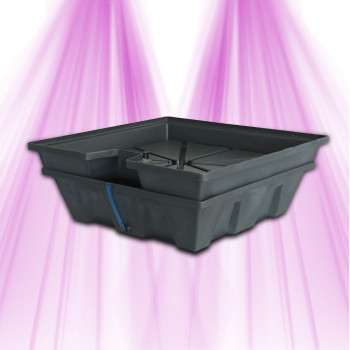
Welche Art von Topf mit Drainagelöchern soll ich wählen: Terrakotta, Plastik oder Kunstharz?
Terrakotta bleibt die Referenzwahl aufgrund ihrer natürlichen Porosität, die die Wurzeln atmen lässt und überschüssige Feuchtigkeit ableitet. Sie ist perfekt für Pflanzen, die empfindlich auf Überwässerung reagieren, wie Kakteen oder mediterrane Pflanzen. Plastik speichert Wasser besser, ideal für tropische Pflanzen, die konstante Feuchtigkeit lieben. Kunstharz kombiniert die Vorteile beider: leicht wie Plastik, aber mit besserer Wasserregulierung. Für den Anfang bevorzugen Sie Terrakotta mit mindestens 4-5 Drainagelöchern von 8mm.
Wie installiere ich eine LED-Pflanzenlampe für meine Zimmerpflanzen richtig?
Positionieren Sie Ihre LED-Lampe je nach Leistung 30-50cm über den Pflanzen: 30cm für 30-50W, 50cm für 100W und mehr. Verwenden Sie eine Zeitschaltuhr, um je nach Art 12-16 Stunden tägliche Beleuchtung aufrechtzuerhalten. Stellen Sie sicher, dass das Spektrum mindestens 400-700nm abdeckt, mit Spitzen im Blau (440nm) und Rot (660nm). Passen Sie die Höhe an, wenn Sie Vergilbung (zu weit entfernt) oder Blattverbrennungen (zu nah) beobachten. Ein Luxmeter hilft Ihnen, die Intensität zu messen: Streben Sie 10.000-20.000 Lux für die meisten Grünpflanzen an.
Was ist der Unterschied zwischen einem dekorativen Übertopf und einem funktionalen Anzuchttopf?
Der Anzuchttopf hat unverzichtbare Drainagelöcher, um überschüssiges Wasser abzuleiten und die Wurzeln mit Sauerstoff zu versorgen. Er steht direkt in Kontakt mit der Erde und den Wurzeln. Der Übertopf ist rein dekorativ, ohne Drainage, und dient dazu, den Anzuchttopf zu verschönern. Dieser doppelte Schutz schützt Ihre Böden und sorgt gleichzeitig für eine optimale Drainage. Wählen Sie immer einen Übertopf, der 2-3cm breiter ist als Ihr Anzuchttopf, um die Pflege zu erleichtern. Leeren Sie regelmäßig stehendes Wasser im Übertopf, um Wurzelfäule zu vermeiden.
Welches Substrat und welchen Dünger soll ich für meine spezifischen Zimmerpflanzen verwenden?
Universalerde ist für 80% der Zimmerpflanzen geeignet, mit ihrer ausgewogenen Zusammensetzung aus Torf, Kompost und Perlit. Für Kakteen und Sukkulenten mischen Sie 50% Blumenerde mit 50% grobem Sand oder Perlit für eine optimale Drainage. Tropische Pflanzen (Monstera, Ficus) bevorzugen ein reichhaltiges Substrat: Blumenerde + 20% Kompost + 10% Vermiculit. Was den Dünger betrifft, so reicht ein flüssiger NPK 10-10-10, der während der Wachstumsperiode alle 2 Wochen um 50% verdünnt wird. Reduzieren Sie im Winter, wenn das Wachstum langsamer wird, auf einmal im Monat.
Wie verwende ich Rankhilfen, Klammern und Klettbänder, um meine Kletterpflanzen zu stützen?
Installieren Sie die Rankhilfe bereits bei der Pflanzung, um spätere Wurzelschäden zu vermeiden. Stecken Sie sie 5-8cm vom Hauptstamm entfernt ein, auf der gegenüberliegenden Seite der gewünschten Wachstumsrichtung. Befestigen Sie den Hauptstamm alle 15-20cm mit weichen Bindern: Klettbänder für zerbrechliche Stiele, verstellbare Klammern für robustere Äste. Lassen Sie immer 2-3mm Platz, damit der Stiel dicker werden kann. Führen Sie neue Triebe spiralförmig um die Rankhilfe, anstatt sie gerade zu führen, um die Verzweigung anzuregen. Ersetzen Sie zu enge Binder, sobald sie die Rinde markieren.