Pflanzenleuchten für Grünpflanzen: Geben Sie Ihren Zimmerpflanzen das Licht, das sie verdienen
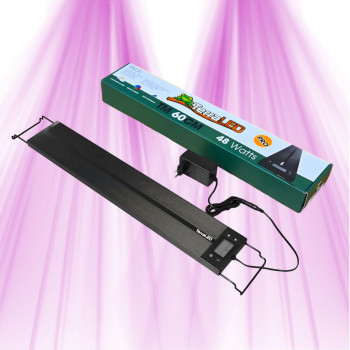
Pflanzenleuchten für Grünpflanzen revolutionieren den Indoor-Anbau zu Hause. Vorbei sind die Zeiten, in denen Pflanzen am Fenster vor sich hinvegetierten! Mit einer geeigneten LED-Beleuchtung finden Ihre Ficus, Monstera und andere tropische Schönheiten ihre natürliche Vitalität wieder, selbst in den dunkelsten Ecken Ihrer Wohnung. Diese Systeme reproduzieren getreu das Sonnenspektrum, das Ihre Pflanzen für die Photosynthese benötigen.
Warum Sie eine LED-Beleuchtung für Ihre Grünpflanzen wählen sollten
Die LED-Technologie verändert den Ansatz der Gartenbaubeleuchtung zu Hause vollständig. Im Gegensatz zu herkömmlichen Glühbirnen, die heiß werden und Blätter verbrennen, bleiben LEDs kühl und liefern gleichzeitig genau die benötigten Wellenlängen. Das rote Spektrum (660-730nm) stimuliert Blüte und Fruchtbildung, während das blaue (400-500nm) das vegetative Wachstum und die Blattdichte fördert. Vollspektrum-LEDs kombinieren diese beiden Ansätze für eine harmonische Entwicklung.
Die Energieeffizienz ist ein weiterer großer Vorteil. Wo eine 100W Glühlampe mehr Wärme als nützliches Licht erzeugt, liefert eine 30W LED oft mehr verwertbare Photonen für Ihre Pflanzen. Die Lebensdauer erreicht leicht 50.000 Stunden gegenüber 1.000 Stunden bei einer klassischen Glühbirne. Ihre Stromrechnung wird es Ihnen danken, und Ihre Pflanzen auch.
So wählen Sie die richtige Beleuchtung für Ihre Grünpflanzen aus
Die Leistung wird anhand der zu beleuchtenden Fläche berechnet. Rechnen Sie mit etwa 30-50W pro m² für klassische Zimmerpflanzen. Eine einzelne Pflanze auf einem Schreibtisch kommt mit einer 15-25W Lampe aus, während eine 2m² große Pflanzenwand 60-100W benötigt, verteilt auf mehrere Lichtpunkte.
Der Installationsabstand variiert je nach Leistung. Eine 30W LED wird 30-50cm von den Blättern entfernt platziert, eine 60W eher 60-80cm. Zu nah, riskieren Sie Lichtstress und Verfärbungen. Zu weit entfernt, wird die Intensität unzureichend. Beobachten Sie Ihre Pflanzen: Gelbe oder gekräuselte Blätter signalisieren oft einen Überschuss, während ein Vergeilen einen Mangel anzeigt.
Das Lichtspektrum bestimmt die Anwendung. Weiße LEDs (3000-6500K) eignen sich perfekt für Zier-Grünpflanzen. Rosa Spektren (Rot-Blau-Mischung) maximieren die photosynthetische Effizienz, ermüden aber das menschliche Auge. Für ein Wohnzimmer oder Büro bevorzugen Sie warmweißes Licht, das optisch angenehm ist.
Häufig gestellte Fragen
Welche Art von LED-Lampe soll ich wählen: blaues, rotes oder volles Spektrum?
Für Zimmerpflanzen ist das volle Spektrum (Full Spectrum) die vielseitigste Wahl. Es kombiniert Rot (660nm), Blau (450nm) und oft Weiß für eine natürliche Wiedergabe. Blau allein fördert das vegetative Wachstum, begrenzt aber die Blüte. Rot allein stimuliert die Blüte, kann aber ein Vergeilen verursachen. Ein ausgewogenes Spektrum von 3:1 Rot/Blau oder ein warmweißes 3000K liefern hervorragende Ergebnisse bei den meisten Zierpflanzenarten.
Wie viele Stunden am Tag sollte ich die Lampe für meine Zimmerpflanzen eingeschaltet lassen?
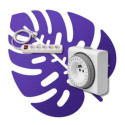
Die Beleuchtungsdauer hängt von der Art und dem verfügbaren natürlichen Licht ab. Als Ergänzung zu einem Fenster reichen in der Regel 6-8 Stunden. Als Hauptbeleuchtung rechnen Sie mit 12-14 Stunden für tropische Pflanzen, 10-12 Stunden für gemäßigte Arten. Beachten Sie einen Tag/Nacht-Zyklus: Pflanzen benötigen Dunkelheit für bestimmte Stoffwechselprozesse. Ein Timer automatisiert diese Verwaltung und verhindert Vergesslichkeit, die die Pflanzen stresst.
In welchem Abstand sollte ich die Lampe über meinen Pflanzen platzieren, um sie nicht zu verbrennen?
Der Abstand variiert je nach Leistung der LED. Für eine 20-30W Lampe halten Sie 25-40cm Abstand. Eine 50-60W Lampe benötigt 40-60cm. Über 100W halten Sie mindestens 60-80cm Abstand. Testen Sie, indem Sie Ihre Hand schrittweise nähern: Wenn Sie eine spürbare Wärme fühlen, ist es zu nah. Qualitäts-LEDs erzeugen wenig Wärme, aber die Lichtintensität kann Blattverbrennungen verursachen. Achten Sie auf neue Triebe, die empfindlicher sind als reife Blätter.
Welche Lampenleistung benötige ich je nach der Fläche, die ich beleuchten möchte?
Rechnen Sie mit etwa 30-40W pro m² für Zier-Grünpflanzen als Hauptbeleuchtung. Eine einzelne Pflanze (0,2m²) benötigt 6-10W, eine kleine Pflanzenecke (0,5m²) benötigt 15-25W, während eine ganze Wand (2m²) 60-80W erfordert. Diese Werte beziehen sich auf effiziente Gartenbau-LEDs. Verbraucherlampen benötigen oft 50% mehr Leistung. Es ist besser, leicht unterzubeleuchten, als Lichtstress zu riskieren, besonders am Anfang.
Verbrauchen LED-Lampen wirklich weniger Strom als andere Beleuchtungsarten?
Absolut! Eine 30W Gartenbau-LED erzeugt so viel nützliches Licht wie eine 150W Glühlampe oder eine 75W Leuchtstofflampe. Die Effizienz erreicht 2,5-3 µmol/J für die besten LEDs gegenüber 0,8-1,2 µmol/J für andere Technologien. Über ein Jahr kostet eine 50W LED-Installation etwa 50-70€ Strom (Standardtarif) gegenüber 150-200€ für die entsprechende klassische Beleuchtung. Die Anfangsinvestition amortisiert sich in 2-3 Jahren, ganz zu schweigen von der längeren Lebensdauer der LEDs.