





























Lumatek
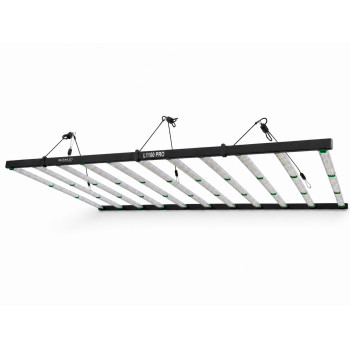
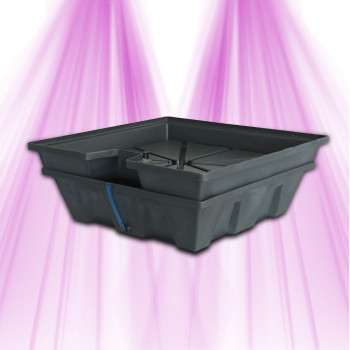
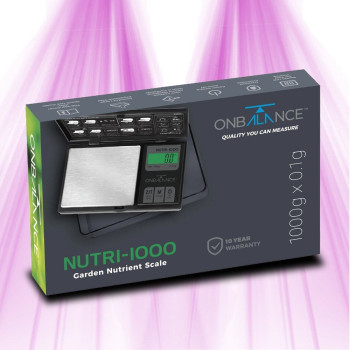
Lumatek ZEUS 1000W PRO EVO 3.1 – Komplettes Beleuchtungssystem für den…
Auf Lager · Versand innerhalb von 24 Std.
1 633,50 € oder 3× 544,50 €

Artikel wurde in den Korb gelegt
Ça pousse dans le bon sens

4 Produkte
Die effektive Beleuchtung einer Anbaufläche von 240cm x 120cm, also 2.88m², erfordert einen durchdachten Ansatz. Diese rechteckige Fläche bietet einen hervorragenden Kompromiss zwischen Produktivität und Raumnutzung, benötigt aber eine angepasste Beleuchtung, um Schattenbereiche zu vermeiden und das Wachstum auf der gesamten Fläche zu optimieren.
Mit 2.88m² Anbaufläche bewegen wir uns in der Kategorie ernsthafter Installationen, die wirklich Ertrag bringen können. Aber Vorsicht: Schlecht beleuchtet wird dieser Raum schnell zu einem Energiefresser mit enttäuschenden Ergebnissen. Die rechteckige Form von 240x120cm stellt spezifische Herausforderungen dar. Die Ecken sind oft die ersten, die unter unzureichender Beleuchtung leiden, und die Länge von 240cm kann erhebliche Intensitätsschwankungen verursachen, wenn man es nicht richtig macht.
Die Rechnung ist einfach: Für einen optimalen Anbau sollte man je nach Pflanzenart zwischen 400 und 600 µmol/m²/s anstreben. Auf 2.88m² entspricht dies einem Gesamtbedarf von 1152 bis 1728 µmol/s. Hier wird die Wahl der Technologie entscheidend. Moderne LEDs bieten die beste Energieeffizienz mit etwa 2.7 µmol/J, verglichen mit 1.7 µmol/J bei HPS. Konkret: Wo eine 600W HPS diese Fläche kaum abdeckt, leistet eine gut konzipierte 400W LED die Arbeit locker.
Erstes Kriterium: die Leistung. Für 2.88m² rechnen Sie mit 350W bis 500W bei LED oder 600W bis 1000W bei HPS. Aber Leistung allein ist nicht alles. Die Lichtverteilung ist auf dieser Fläche noch wichtiger. Eine einzelne zentrale Lampe wird unweigerlich weniger beleuchtete Bereiche an den Rändern schaffen. Das Ideal? Zwei LED-Lampen mit je 200-250W, positioniert bei 80cm und 160cm entlang der Länge.
Zweiter entscheidender Punkt: die Installationshöhe. Bei LEDs halten Sie 40-60cm Abstand zwischen der Pflanzenkrone und den Dioden. Zu nah, riskieren Sie Lichtverbrennungen. Zu weit, verlieren Sie an Intensität. HPS-Lampen benötigen aufgrund der Wärmeentwicklung mehr Abstand (60-80cm). Denken Sie auch an die Belüftung: 2.88m² unter intensiver Beleuchtung heizen sich auf. Ein Abluftventilator von mindestens 400-500m³/h ist notwendig.
Vergessen Sie schließlich nicht die Gleichmäßigkeit. Eine gute Beleuchtung für diese Fläche sollte weniger als 20% Intensitätsschwankung zwischen Mitte und Rändern aufweisen. Reflektoren oder die Optik der LEDs spielen hier eine wichtige Rolle. Bevorzugen Sie Abstrahlwinkel von 90-120° für eine homogene Verteilung.
Für 2.88m² streben Sie 350-500W bei LED oder 600-1000W bei HPS an, je nach gewünschter Intensität. Bei LED reichen 400W Qualität locker für einen produktiven Anbau. Die Berechnung basiert auf 35-50W/m² bei LED, gegenüber 60-80W/m² bei HPS. Denken Sie daran, dass die Qualität der Dioden genauso wichtig ist wie die Leistung: Samsung LM301B oder Osram LEDs mit 2.7 µmol/J sind effizienter als generische Dioden mit 2.0 µmol/J.
Zwei Lampen mit je 200-250W übertreffen eine einzelne 500W Lampe auf dieser rechteckigen Fläche. Die Lichtverteilung wird viel besser sein, mit weniger Schattenbereichen in den Ecken. Positionieren Sie sie bei 80cm und 160cm entlang der Länge, mittig auf der Breite. Diese Konfiguration bietet auch mehr Flexibilität: Sie können die Intensität zonenweise anpassen oder bei einem Ausfall nur eine Lampe ersetzen. Die Anfangskosten sind etwas höher, aber die Effizienz lohnt sich.
Auf 2.88m² sind CFLs eindeutig überholt – man bräuchte 8-10 Glühbirnen von 125W, was ein Albtraum zu handhaben wäre. HPS-Lampen von 600-1000W erzeugen enorme Hitze und verbrauchen mehr, bleiben aber für die Blütephase effektiv. Moderne LEDs dominieren: weniger Wärme, einstellbares Spektrum, Lebensdauer von 50000h gegenüber 10000h bei HPS. Im Verbrauch entsprechen 400W LED in der Lichtleistung 600-800W HPS. Der ROI für LEDs liegt je nach Strompreisen bei 12-18 Monaten.
Hängen Sie Ihre Lampen 40-60cm von der Pflanzenkrone für LEDs und 60-80cm für HPS auf. Auf 240x120cm bieten zwei Befestigungspunkte bei 80cm und 160cm entlang der Länge die beste Abdeckung. Verwenden Sie ein Luxmeter, um die Gleichmäßigkeit zu überprüfen: Der Unterschied zwischen Mitte und Rändern sollte 20% nicht überschreiten. Wenn Sie nur eine Lampe haben, installieren Sie sie im geometrischen Zentrum (120x60cm) und fügen Sie seitliche Reflektoren hinzu, um das Licht zu den Rändern umzuleiten. Überprüfen Sie regelmäßig die Höhe entsprechend dem Pflanzenwachstum.
18h/Tag im vegetativen Wachstum, 12h/Tag in der Blüte – das ist der Standard. Eine Zeitschaltuhr ist unerlässlich, um diese Zyklen präzise einzuhalten. Pflanzen reagieren sehr empfindlich auf Schwankungen, selbst von 30 Minuten. Investieren Sie in eine zuverlässige digitale Zeitschaltuhr, nicht in ein mechanisches Modell, das abweichen kann. Für 2.88m² unter 400W LED rechnen Sie mit etwa 7.2 kWh/Tag im Wachstum (18h) und 4.8 kWh/Tag in der Blüte (12h). Bei 0.15€/kWh entspricht das 1.08€ bzw. 0.72€ pro Tag.

Hilfe & Beratung
Zu 240 cm x 120 cm – 2.88m — klicken Sie auf eine Frage, um die Antwort zu sehen.
Für eine Fläche von 2,88m² wie Ihre (240cm x 120cm) empfehle ich eine tatsächliche LED-Leistung von etwa 600 bis 800 Watt. Dies gewährleistet eine homogene und ausreichend intensive Lichtabdeckung, um ein kräftiges Wachstum und eine reichliche Blüte zu unterstützen. Es ist entscheidend, sich auf den tatsächlichen Verbrauch und nicht auf die HPS-Äquivalenz zu stützen.
Im Allgemeinen strebe ich bei modernen Gartenbau-LEDs etwa 200 bis 280 Watt pro Quadratmeter an, um gute Ergebnisse zu erzielen. Für Ihre 2,88m² bedeutet dies, dass Sie eine Gesamtleistung von etwa 576 bis 806 Watt anstreben sollten. Dies ist ein Bereich, den ich in der Praxis für die meisten Kulturen als sehr effektiv empfinde.
Der ideale Abstand hängt stark von der Leistung Ihrer LED und dem Wachstumsstadium ab. Im Allgemeinen beginne ich das Wachstum bei etwa 50-60 cm von den jungen Trieben und senke den Abstand während der Blüte schrittweise auf 30-40 cm. Beobachten Sie immer Ihre Pflanzen: Wenn die Blätter gelb werden oder sich kräuseln, ist das Licht zu intensiv oder zu nah.
Der häufigste Fehler, den ich sehe, ist die Unterschätzung der benötigten Leistung oder eine schlechte Lichtverteilung, die Schattenbereiche erzeugt. Man sollte auch vermeiden, die LEDs zu nah an den Pflanzen zu platzieren, was zu Lichtstress führen kann. Schließlich ist die Vernachlässigung des Wärmemanagements, auch wenn LEDs weniger Wärme als HPS erzeugen, ein Fehler, den man nicht machen sollte, um eine stabile Umgebung aufrechtzuerhalten.
Für ein Zelt von 240x120cm ist der Unterschied erheblich. LEDs bieten ein vollständigeres und anpassbares Lichtspektrum, einen reduzierten Stromverbrauch und eine wesentlich längere Lebensdauer. HPS-Lampen, obwohl leistungsstark, erzeugen viel mehr Wärme, was das Klimamanagement erschwert und die Stromrechnung erhöht. Wenn ich wählen müsste, würde ich mich ohne Zögern für LEDs entscheiden, wegen ihrer Vielseitigkeit und Effizienz.
Idealerweise empfehle ich ein Vollspektrum (full spectrum), das sowohl die Bedürfnisse des Wachstums (mit mehr Blau) als auch der Blüte (mit mehr Rot) abdeckt. Viele moderne LED-Panels bieten anpassbare oder für beide Phasen optimierte Spektren. Das ist es, was ich für einen vielseitigen und leistungsstarken Anbau auf einer Fläche wie 2,88m² bevorzuge.
Für einen Bereich von 240cm x 120cm empfehle ich in der Regel die Verwendung von zwei mittelgroßen LED-Panels oder einem großen rechteckigen Panel, um eine gleichmäßige Abdeckung zu gewährleisten. Befestigen Sie diese sicher an der Decke Ihres Anbauraums mit verstellbaren Aufhängungen. Stellen Sie sicher, dass die Kabel ordentlich verlegt und gesichert sind. Ziel ist es, Schattenbereiche zu minimieren und die Höhe leicht anpassen zu können.
Für eine Fläche von 2,88m² empfehle ich, sich an modularen LED-Leisten oder leistungsstarken rechteckigen LED-Panels zu orientieren, die speziell für große Flächen konzipiert sind. Modelle mit etwa 600W bis 800W tatsächlichem Verbrauch, einem guten PPFD und einem Vollspektrum wären perfekt. Die Idee ist, eine möglichst gleichmäßige Lichtverteilung über die gesamte Länge von 240cm zu erzielen.
Obwohl 2,88m² keine 'kleine' Fläche ist, bieten LEDs hier viele Vorteile. Ich denke insbesondere an die erhöhte Klimakontrolle dank geringerer Wärmeabgabe, einen optimierten Stromverbrauch und die Möglichkeit, das Spektrum präzise an die Bedürfnisse Ihrer Pflanzen anzupassen. Darüber hinaus macht ihre lange Lebensdauer sie zu einer langfristig rentablen Investition.
Ihre Antwort nicht gefunden? 01 88 33 45 52 oder per Nachricht.

Umtausch innerhalb
von 14 Tagen

Kostenloser Versand
ab 100€*

Lieferung
in 24 bis 48 Stunden

Sichere
Zahlung

Zahlungserleichterung

Bestpreisgarantie

GrowLED
Garantie

Treuepunkte