





























Lumatek
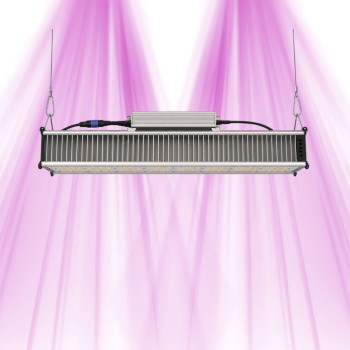
Lumatek Zeus 600W PRO 3.1 – Multi-Bar-System von Lumatek – Komplett verkauft
Auf Lager · Versand innerhalb von 24 Std.
1 089,00 € oder 3× 363,00 €

Artikel wurde in den Korb gelegt
Ça pousse dans le bon sens

25 Produkte
Eine Beleuchtungsfläche von 140cm x 140cm entspricht genau 2m² Anbaufläche, eine perfekte Zwischengröße für Züchter, die ihre Anbaumethoden verbessern möchten, ohne ihr Strombudget zu sprengen. Diese Fläche erfordert eine präzise und gut dimensionierte Beleuchtung, um Schattenbereiche zu vermeiden, die eine Ernte ruinieren können. Ob du dich für LED oder HPS entscheidest, jedes Detail zählt, um deine Erträge auf diesen 2m² zu maximieren.
Auf 2m² spielst du in der mittleren Liga. Zu wenig Leistung und deine Pflanzen verkümmern an den Rändern, zu viel und du verschwendest unnötig Strom. Der Vorteil dieser Fläche ist, dass sie die Installation einer leistungsstarken zentralen Lampe ermöglicht, die den gesamten Bereich gleichmäßig abdeckt. Bei LEDs rechnet man für diese Fläche in der Regel mit 300-400W realer Leistung, also etwa 150-200W/m². Bei HPS ist eine 600W Lampe perfekt geeignet, auch wenn sie mehr Wärme erzeugt.
Der Schlüssel ist die Lichtgleichmäßigkeit. Auf 140x140cm kannst du eine einzige gut positionierte zentrale Lichtquelle verwenden, anstatt mehrerer kleiner Lampen. Das vereinfacht die Installation, reduziert die Wärmepunkte und optimiert die Lichtdurchdringung. Ehrlich gesagt, ist dies die Fläche, auf der man anfängt, echte Ergebnisse zu sehen, ohne sich zu ruinieren.
Erstes Kriterium: die reale Leistung. Für 2m² solltest du 300-400W bei Full-Spectrum-LEDs oder eine 600W HPS anstreben. Der Aufhängeabstand spielt eine große Rolle: 40-60cm für LEDs je nach Leistung, 60-80cm für HPS. Zu nah und du verbrennst die Spitzen, zu weit und du verlierst an Lichtintensität.
Zweiter entscheidender Punkt: die spektrale Verteilung. Im Wachstum bevorzugst du ein blau-reiches Spektrum (6000-6500K), in der Blüte wechselst du zu Rot-Orange (2700-3000K). Moderne LEDs bieten oft gemischte Spektren, die von Anfang bis Ende funktionieren, aber HPS bleiben eine sichere Wahl für die Blüte.
Vergiss nicht das Wärmemanagement. Auf 2m² kann eine 600W HPS deine Box schnell in eine Sauna verwandeln. Stelle sicher, dass du eine ausreichende Abluft (mindestens 400m³/h) und gegebenenfalls einen luftgekühlten Reflektor hast. LEDs erzeugen weniger Wärme, sind aber in der Anschaffung teurer.
Um 2m² gleichmäßig und ohne tote Zonen auszuleuchten, solltest du 300-400W reale LED-Leistung oder eine 600W HPS anstreben. Bei LEDs suche nach Modellen mit einem breiten Abstrahlwinkel (mindestens 120°), um einen zentralen Hotspot zu vermeiden. Eine gut konzipierte 350W LED beleuchtet diese Fläche perfekt mit einer homogenen Verteilung. Bei HPS ist die 600W die Referenz: Sie deckt die 140x140cm mit einem guten Reflektor großzügig ab. Vermeide 400W HPS, die oft die Ecken im Schatten lassen, und 1000W, die auf dieser Fläche reine Verschwendung sind.
Der Abstand variiert je nach Technologie und Phase. Im Wachstum hängst du deine LED 50-70cm über den jungen Pflanzen auf und näherst sie dann auf 40-50cm an, wenn sie wachsen. Für eine 600W HPS beginnst du im Wachstum bei 80cm und senkst sie in der Blüte auf 60-70cm. Der Trick ist, die Temperatur auf Blattebene zu überwachen: Wenn du deine Hand 30 Sekunden lang unter der Lampe halten kannst, ohne dich zu verbrennen, ist es gut. Passe den Abstand an die Reaktion deiner Pflanzen an: sich kräuselnde Blätter = zu nah, sich streckende Stiele = zu weit.
Das hängt von deinem Budget und deiner Situation ab. Die 600W HPS ist in der Anschaffung günstiger (150-200€ komplett) und liefert bewährte Ergebnisse, besonders in der Blüte. Allerdings verbraucht sie mehr (inklusive Vorschaltgerät, man kommt auf fast 660W) und erzeugt viel Wärme. LEDs sind teurer (400-800€ für Qualität), verbrauchen aber 30-40% weniger und erzeugen viel weniger Wärme. Auf 2m², wenn du eine gute Abluft hast und das Budget knapp ist, wähle HPS. Wenn du langfristig investieren und Strom sparen möchtest, nimm eine hochwertige Full-Spectrum-LED.
Installieren Sie einen mechanischen oder digitalen Timer zwischen Ihrer Steckdose und Ihrer Lampe. Für das Wachstum stellen Sie 18 Stunden Licht und 6 Stunden Dunkelheit (18/6) ein. Beginnen Sie die Beleuchtung gegen 6 Uhr morgens, um die Nebenzeiten zu nutzen, falls Sie diesen Tarif haben. Um die Blüte einzuleiten, wechseln Sie zu 12/12: 12 Stunden Tag, 12 Stunden strikte Nacht. Die Dunkelheit muss während der 12 Stunden Nacht total sein, nicht einmal eine rote LED. Auf 2m² bedeutet eine einzige Lampe = ein einziger Timer, das ist einfach. Überprüfen Sie, ob Ihr Timer die Leistung Ihrer Lampe unterstützt (mindestens 660W für eine 600W HPS mit Vorschaltgerät).
Reinige deinen Reflektor und dein Glas alle 2-3 Wochen mit Isopropylalkohol: Staub kann die Effizienz um 20% reduzieren. Bei LEDs entstaube die Kühlkörper monatlich mit einem trockenen Pinsel oder Druckluft. Wechsle deine HPS-Lampe alle 3-4 Zyklen (sie verliert nach 10.000 Stunden 20% ihrer Intensität). Überprüfe regelmäßig, ob dein Vorschaltgerät nicht ungewöhnlich heiß wird und die Verbindungen sauber sind. Auf 2m² kann eine schlecht gewartete Lampe zu unterbeleuchteten Bereichen führen, die deine Erträge direkt beeinflussen.
Hilfe & Beratung
Zu 140 cm x 140 cm – 2 m² — klicken Sie auf eine Frage, um die Antwort zu sehen.
Für eine Fläche von 140cm x 140cm (also 2m²) empfehle ich im Allgemeinen eine tatsächliche LED-Leistung von 600 bis 800 Watt. Dies gewährleistet eine homogene Lichtabdeckung und eine ausreichende Intensität für alle Wachstumsphasen Ihrer Pflanzen, von der Keimung bis zur Blüte. Eine zu geringe Leistung würde zu enttäuschenden Erträgen führen, während eine übermäßige Leistung Energieverschwendung wäre und Ihre Kulturen stressen könnte.
Der Hauptunterschied, und der Grund, warum ich mich oft für LED entscheide, ist die Energieeffizienz und das Wärmemanagement. LEDs verbrauchen weniger Strom für die gleiche Menge an nutzbarem Licht (PPF) und erzeugen viel weniger Wärme als HPS, was die Temperaturkontrolle in Ihrem 2m² großen Anbauraum erheblich vereinfacht. Darüber hinaus bieten LEDs ein umfassenderes und oft modulierbares Lichtspektrum, was ein erheblicher Vorteil ist, um sich an die spezifischen Bedürfnisse Ihrer Pflanzen in jeder Phase anzupassen.
Der ideale Abstand zwischen Ihrer LED-Lampe und Ihren Pflanzen auf 2m² hängt stark von der Leistung Ihrer Leuchte und dem Entwicklungsstadium der Pflanzen ab. Im Allgemeinen beginne ich mit einem Abstand von etwa 50 bis 70 cm für junge Triebe und reduziere ihn in voller Blüte schrittweise auf 30-40 cm, um die Lichtintensität zu maximieren. Es ist entscheidend, Ihre Pflanzen zu beobachten: Wenn die Blätter gelb werden oder sich kräuseln, ist das Licht möglicherweise zu nah; wenn sie sich strecken, ist es zu weit entfernt.
Der häufigste Fehler, den ich sehe, ist die Unterschätzung der benötigten Leistung oder ein falsches Abstandsmanagement, was zu vergeilten oder verbrannten Pflanzen führt. Man sollte auch die Belüftung nicht vernachlässigen, auch wenn LEDs weniger Wärme abgeben, ist ein guter Luftaustausch unerlässlich. Schließlich ist es eine verpasste Gelegenheit, die Erträge zu optimieren, wenn das Lichtspektrum nicht an die verschiedenen Wachstums- und Blütephasen angepasst wird. Erwägen Sie, die Optionen für andere Anwendungen zu erkunden, wenn Sie spezifische Bedürfnisse wie den Anbau von Stecklingen haben.
Der Lichtzyklus hängt von der Wachstumsphase Ihrer Pflanzen ab. Für die vegetative Phase empfehle ich einen Zyklus von 18 Stunden Licht und 6 Stunden Dunkelheit. Sobald Sie in die Blütephase übergehen, müssen Sie diesen Zyklus auf 12 Stunden Licht und 12 Stunden Dunkelheit reduzieren, um die Blütenproduktion anzuregen. Die Einhaltung dieser Zyklen ist für die richtige hormonelle Entwicklung Ihrer Kulturen von grundlegender Bedeutung.
Idealerweise empfehle ich ein Vollspektrum (full spectrum) für die gesamte Lebensdauer der Pflanze, da es das natürliche Sonnenlicht am besten nachahmt und alle notwendigen Wellenlängen enthält. Zur Optimierung können Sie jedoch ein Spektrum mit mehr Blau für das Wachstum und mehr Rot für die Blüte bevorzugen. Viele moderne LED-Leuchten bieten einstellbare Spektren, was ein großer Vorteil für anspruchsvolle Züchter auf 2m² ist.
Ihre Antwort nicht gefunden? 01 88 33 45 52 oder per Nachricht.

Umtausch innerhalb
von 14 Tagen

Kostenloser Versand
ab 100€*

Lieferung
in 24 bis 48 Stunden

Sichere
Zahlung

Zahlungserleichterung

Bestpreisgarantie

GrowLED
Garantie

Treuepunkte