





























Garden HighPro
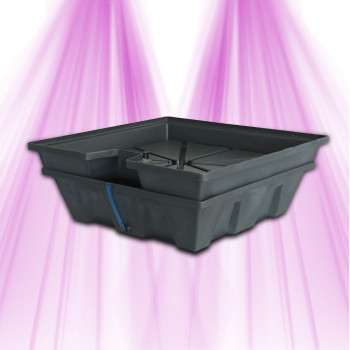
PROBOX Propagator M - Growbox 80x60x40 cm
Auf Lager · Versand innerhalb von 24 Std.
63,90 € oder 3× 21,30 €

Artikel wurde in den Korb gelegt
Ça pousse dans le bon sens

43 Produkte
Rechteckige Growboxen sind perfekt, wenn Sie die Nutzung Ihres verfügbaren Platzes maximieren möchten. Im Gegensatz zu quadratischen Modellen passen sie besser in Ecken, Flure oder unter Treppen. Ihr längliches Format ermöglicht es, die Pflanzen in Reihen anzuordnen und verschiedene Zonen in Ihrem Anbau zu schaffen.
Ob für den Anfang mit wenigen Pflanzen oder für eine ambitioniertere Installation, diese Boxen bieten eine Flexibilität in der Anordnung, die man sonst nirgends findet. Das Längen-Breiten-Verhältnis ermöglicht es auch, die LED-Beleuchtung zu optimieren, indem das Licht besser über die gesamte Fläche verteilt wird.
Der erste Vorteil ist die Platzoptimierung. In einer Garage, einem Keller oder sogar einem Schrank hat man selten perfekt quadratische Maße. Eine rechteckige Box passt sich diesen Gegebenheiten an und ermöglicht es, jeden verfügbaren Quadratzentimeter zu nutzen.
Die interne Organisation wird auch logischer. Man kann eine „Wachstums“-Seite und eine „Blüte“-Seite schaffen oder einfach die Töpfe in ordentlichen Reihen anordnen. Der Zugang zu den Pflanzen wird erleichtert, da man von einem Ende zum anderen gehen kann, ohne sich zu verrenken.
Was die Beleuchtung betrifft, ermöglichen rechteckige Formate die Verwendung mehrerer mittelgroßer LED-Panels anstelle eines einzigen großen. Das Ergebnis: eine homogenere Lichtverteilung und die Möglichkeit, die Intensität je nach Zone anzupassen. Ehrlich gesagt, das ist ein Game Changer, wenn man mehrstöckig oder mit mehreren Sorten arbeiten möchte.
Auch die Belüftung profitiert von dieser Geometrie. Die Luft zirkuliert besser in einem länglichen Raum, und man kann die Abluft auf einer Seite und die Zuluft auf der anderen installieren, um einen optimalen Luftstrom zu erzeugen. Keine toten Zonen mehr, in denen sich Feuchtigkeit staut.
Erster Schritt: Messen Sie Ihren verfügbaren Platz genau aus. Achten Sie auf Türen, Steckdosen und Wasseranschlüsse. Planen Sie mindestens 30 cm um die Box herum für Installation und Wartung ein. Eine Box von 240x120x200 cm benötigt daher einen Raum von mindestens 300x180 cm Grundfläche.
Die Anzahl der Pflanzen bestimmt die benötigte Größe. Für 11L-Töpfe rechnen Sie mit 4 Töpfen pro m². Eine Box von 120x240 cm (2,88 m²) kann bequem 11-12 Töpfe aufnehmen. Bei 18L-Töpfen sinkt die Anzahl auf 2-3 Töpfe pro m², also maximal 6-8 Töpfe auf derselben Fläche.
Die Höhe ist entscheidend. Mindestens 160 cm für kompakte Sorten, 200 cm für Standard. Wenn Sie Sativas oder SCROG anstreben, wählen Sie direkt 220-240 cm. Denken Sie daran, dass Beleuchtung und Abluft 40-50 cm an Höhe einnehmen.
Bei den Materialien sollten Sie Stahlkonstruktionen mit verstärkten Verbindern bevorzugen. Die Planen sollten mindestens aus 600D Mylar bestehen, um wiederholten Manipulationen standzuhalten. YKK-Reißverschlüsse sind ein Garant für Langlebigkeit – diese Boxen werden Hunderte Male pro Zyklus geöffnet und geschlossen.
Das hängt ganz von Ihrer Anbaumethode und der Größe der Töpfe ab. Für 6-8 Pflanzen in 11L-Töpfen ist eine Box von 120x240x200 cm perfekt. Wenn Sie in 18L oder größeren Töpfen anbauen, ist eine 150x300x220 cm besser geeignet. Rechnen Sie immer mit 40-60 cm Abstand zwischen den Pflanzen für eine gute Luftzirkulation. Vergessen Sie nicht, Platz zum Bewegen im Inneren einzuplanen – mindestens 50 cm Breite, um bequem hindurchzukommen.
In einer 120x240 cm (2,88 m²) Box können Sie 12 Töpfe à 11L in einer 3x4-Konfiguration oder 8 Töpfe à 18L in einer 2x4-Konfiguration unterbringen. Für 25L-Töpfe beschränken Sie sich auf maximal 6 Töpfe in einer 2x3-Konfiguration. Diese Berechnungen beinhalten den notwendigen Platz zwischen den Töpfen für die Luftzirkulation und den Zugang zum Gießen. Wenn Sie SCROG oder LST verwenden, reduzieren Sie die Anzahl der Töpfe, da sich die Pflanzen stärker ausbreiten.
Die meisten modernen Boxen verwenden ein Stecksystem aus Kunststoffverbindern, die ohne Schrauben zusammenpassen. Beginnen Sie damit, die Basis auf dem Boden zusammenzusetzen, dann montieren Sie die vertikalen Stangen einzeln. Bringen Sie dann die oberen horizontalen Stangen an, bevor Sie die Plane spannen. Der Trick: Bauen Sie zuerst die komplette Struktur ohne Plane zusammen, überprüfen Sie die Rechtwinkligkeit, und ziehen Sie dann die Plane von oben über. Rechnen Sie mit 30-45 Minuten für zwei Personen für eine Standardbox.
Für eine rechteckige Box installieren Sie die Abluft oben an einer kurzen Seite und die Zuluft unten an der gegenüberliegenden Seite, um einen diagonalen Luftstrom zu erzeugen. Berechnen Sie mindestens das 3-5-fache Volumen der Box pro Stunde. Für eine 120x240x200 cm (5,76 m³) Box reicht ein Abluftventilator von 200-300 m³/h aus. Fügen Sie einen oszillierenden Ventilator im Inneren hinzu, um die Luft umzuwälzen und stehende Zonen zu vermeiden. Ein Klimacontroller automatisiert alles je nach Temperatur und Luftfeuchtigkeit.
Reinigen Sie das Mylar mit einem leicht feuchten Mikrofasertuch, niemals mit chemischen Produkten, die es beschädigen könnten. Vermeiden Sie zu starkes Reiben, das Mikrokratzer erzeugt und die Reflektivität verringert. Überprüfen Sie regelmäßig die Ecken und Verschlüsse, wo sich Feuchtigkeit ansammeln kann. Wenn Flecken bestehen bleiben, verwenden Sie demineralisiertes Wasser mit einem Tropfen neutralem Spülmittel. Eine gute Pflege erhält 95% der Reflektivität über Jahre hinweg.

Hilfe & Beratung
Zu Rechteck — klicken Sie auf eine Frage, um die Antwort zu sehen.
Um eine rechteckige Box auszuwählen, empfehle ich Ihnen, zunächst den verfügbaren Platz bei Ihnen zu Hause genau zu messen. Denken Sie an Höhe, Breite und Tiefe. Überlegen Sie dann, wie viele Pflanzen Sie anbauen möchten und wie groß sie letztendlich werden sollen. Überprüfen Sie schließlich die Qualität der Materialien (robuste Reißverschlüsse, dickes Gewebe, stabile Struktur) und das Vorhandensein gut platzierter Extraktions- und Intraktionsöffnungen.
Der Hauptunterschied liegt, wie der Name schon sagt, in der Form. Rechteckige Boxen sind ideal für atypische oder längliche Räume wie einen Flur, eine Ecke oder unter einer Treppe. Sie ermöglichen oft eine bessere Organisation in Reihen und können den Zugang zu allen Pflanzen erleichtern. Quadratische Boxen sind klassischer und eignen sich gut für offene Räume, wo Symmetrie kein Problem ist. In der Praxis sehe ich rechteckige Boxen oft für linearere Kulturen oder zur Trennung von Sorten verwendet.
Eine rechteckige Growbox dient dazu, eine kontrollierte und optimierte Umgebung für Ihre Pflanzen im Innenbereich zu schaffen. Ihre längliche Form ist besonders nützlich, um den Platz in beengten Bereichen optimal zu nutzen. Sie ermöglicht die präzise Steuerung von Feuchtigkeit, Temperatur, Belüftung und Beleuchtung und gewährleistet so ein gesundes Wachstum und maximale Erträge. Sie ist ein unverzichtbares Werkzeug für den Indoor-Gartenbau.
Um die ideale Größe zu bestimmen, empfehle ich Ihnen, zuerst den maximalen Platzbedarf zu messen, den Sie ihr zugestehen können. Vergessen Sie nicht, etwas Platz für Belüftung und Zugang zu lassen. Wenn Sie Anfänger sind, ist eine kleine Box wie eine 60x90 oder 80x120 cm perfekt. Für eine größere Installation sind Größen wie 120x240 cm üblich. Denken Sie auch an die Höhe, da einige Pflanzen sehr groß werden können.
Die LED-Beleuchtungsleistung hängt von der Oberfläche Ihrer rechteckigen Box und der Art der Kultur ab. Für eine Box von 120x60 cm würde ich ein LED-Panel von etwa 200-300W empfehlen. Für eine 120x240 cm benötigen Sie eher 600W bis 800W LED, oder sogar zwei Panels von 300-400W für eine bessere Verteilung. Wichtig ist, eine homogene Lichtabdeckung auf der gesamten Fläche zu gewährleisten. Zögern Sie nicht, die Spezifikationen der Hersteller für eine optimale Beleuchtung zu konsultieren.
In einer rechteckigen Box von 120x240 cm können Sie in der Regel zwischen 8 und 16 Pflanzen anbauen, abhängig von der Topfgröße und der Anbaumethode (SCROG, SOG usw.). Wenn Sie sich für größere Pflanzen und einen längeren Wachstumszyklus entscheiden, rate ich Ihnen, sich auf 8-10 Pflanzen zu beschränken, um ihnen genügend Platz zu lassen. Für kleinere Pflanzen oder eine SOG-Kultur könnten Sie bis zu 16 oder sogar etwas mehr Pflanzen anbauen. Ziel ist es, Überbevölkerung zu vermeiden, um eine gute Luftzirkulation und ausreichend Lichtzugang zu gewährleisten.
Die häufigsten Fehler, die ich sehe, sind unzureichende Belüftung, eine schlecht angepasste Beleuchtung an die Oberfläche und mangelnde Raumorganisation. Stellen Sie sicher, dass Sie einen passenden Abluft- und Zuluftventilator haben und dass die Luft überall gut zirkuliert. Unterschätzen Sie nicht die Bedeutung eines guten Substrats, ich erkläre die Optionen ausführlicher in diesem Artikel. Planen Sie schließlich die Anordnung Ihrer Pflanzen, um Licht und Zugang zu optimieren. Vermeiden Sie auch, die Box zu überladen.
Um den Platz in einer rechteckigen Box zu optimieren, empfehle ich Ihnen, Trainingstechniken wie SCROG (Screen of Green) oder LST (Low Stress Training) anzuwenden, die es ermöglichen, die Äste horizontal zu verteilen. Ordnen Sie Ihre Pflanzen in Reihen an, um den Zugang und die Pflege zu erleichtern. Denken Sie auch an die Höhe, indem Sie geeignete Töpfe verwenden und das vertikale Wachstum steuern. Die Verwendung kompakter Hydroponiksysteme kann ebenfalls eine ausgezeichnete Lösung sein, um Platz am Boden zu sparen.
Ihre Antwort nicht gefunden? 01 88 33 45 52 oder per Nachricht.

Umtausch innerhalb
von 14 Tagen

Kostenloser Versand
ab 100€*

Lieferung
in 24 bis 48 Stunden

Sichere
Zahlung

Zahlungserleichterung

Bestpreisgarantie

GrowLED
Garantie

Treuepunkte


